- The 1910 House - Where it Begins
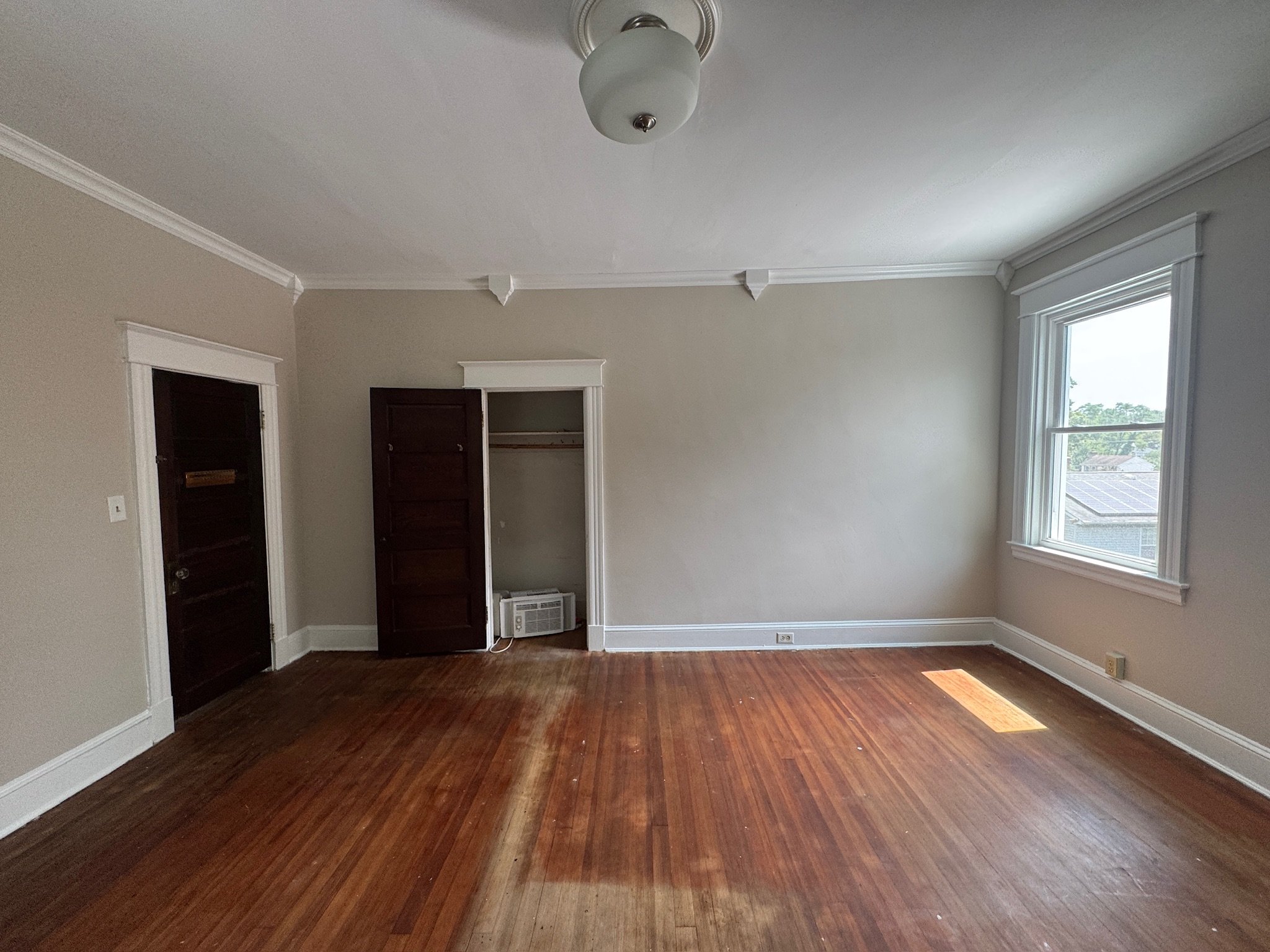
When we first walked into this house, we knew it wasn't going to be a renovation centered around making everything feel new.
Built in 1910, the home still held many of the elements that gave it its character. The original heart pine floors were one of them. Worn by more than a century of daily life, they carried the variation, patina, and imperfections that simply can't be replicated. They told the story of the house in a way that new materials never could.
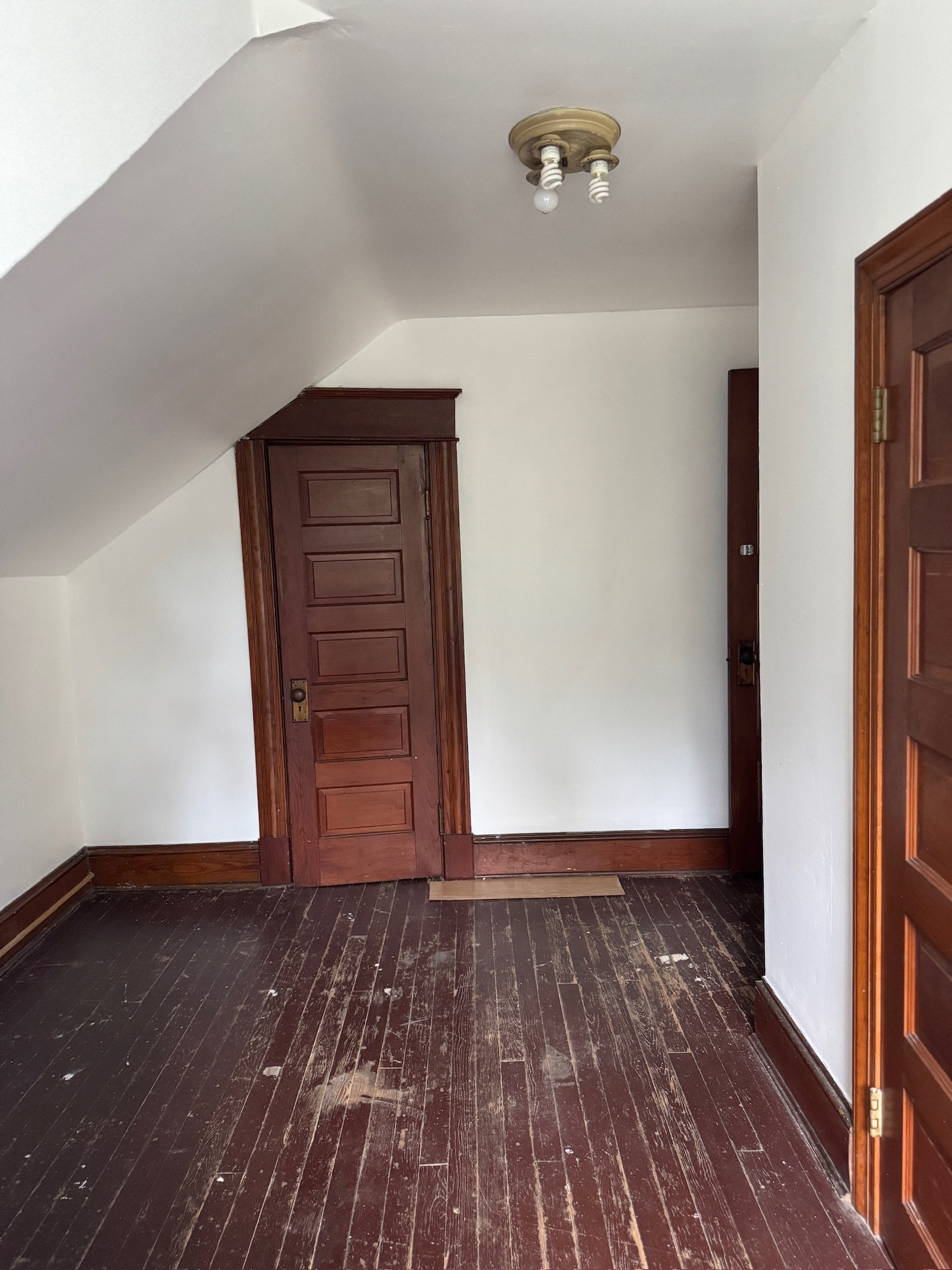
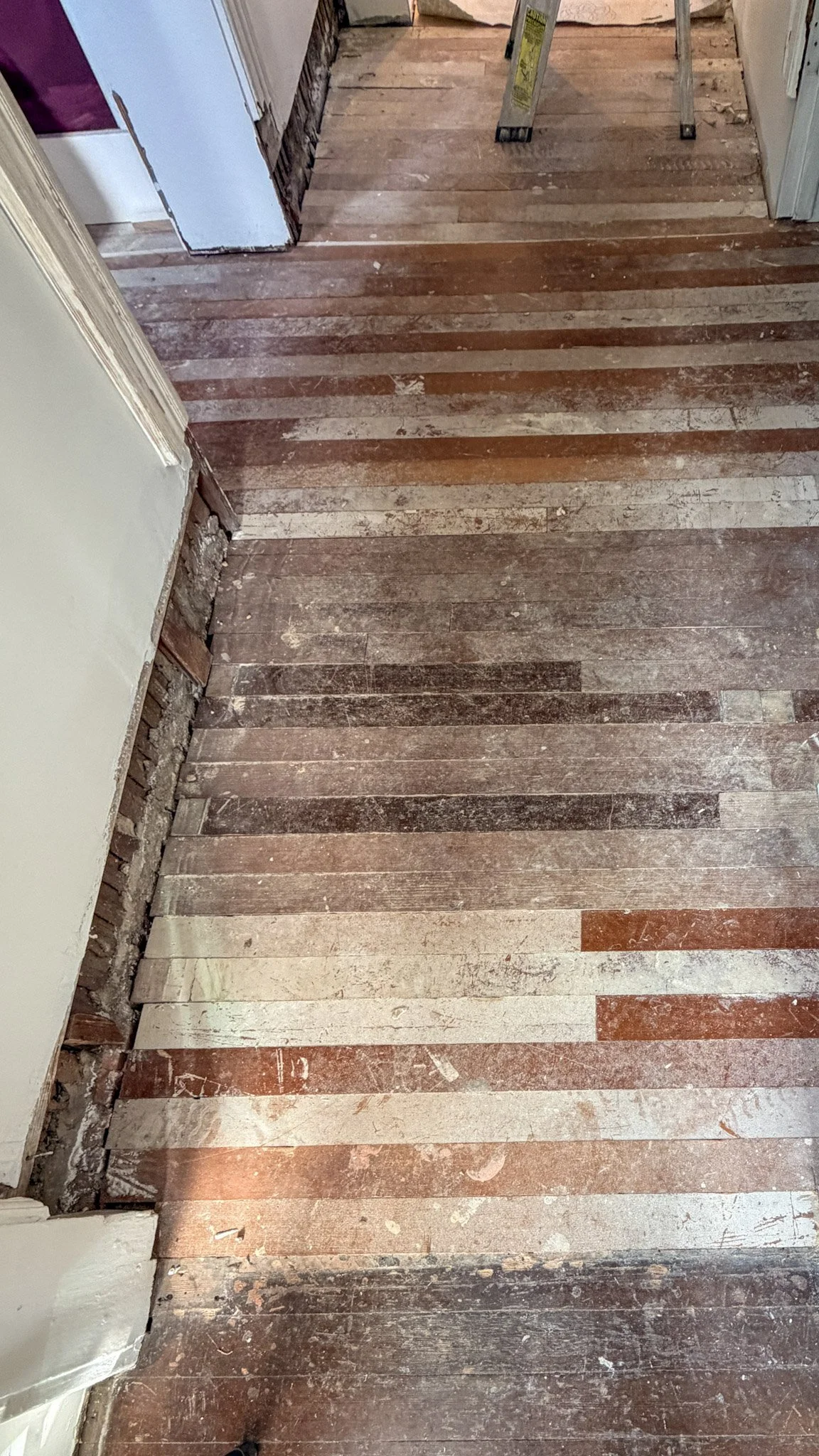
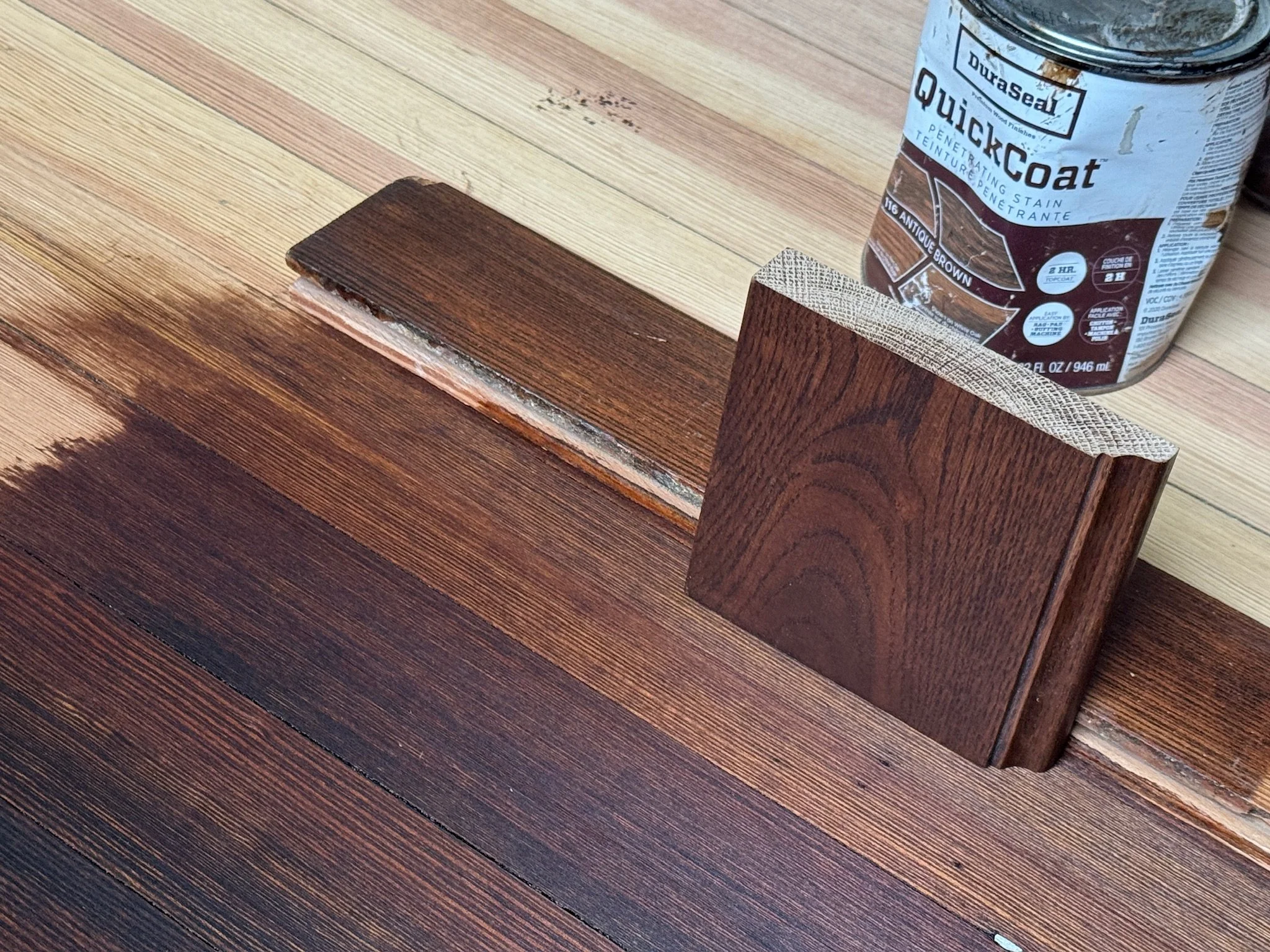
Early on, we realized those floors would influence many of the decisions we made throughout the renovation.
That doesn't mean we were able to save all of them. Over the years, previous renovations had altered parts of the home, and in the kitchen, glued-down vinyl tile had damaged the original flooring beyond repair. While much of the house could be restored, some areas required us to find a different solution.
Rather than replacing everything with new materials, we chose to approach the problem the same way we approached the house itself. We wanted to understand what belonged there and how we could honor the home's history while allowing it to evolve for the way we live today.
We spent time sourcing salvaged boards that closely matched the original heart pine. Then came the process of testing stains, adjusting tones, and refining the finish until the old and new felt comfortable alongside one another. Not identical, but connected.
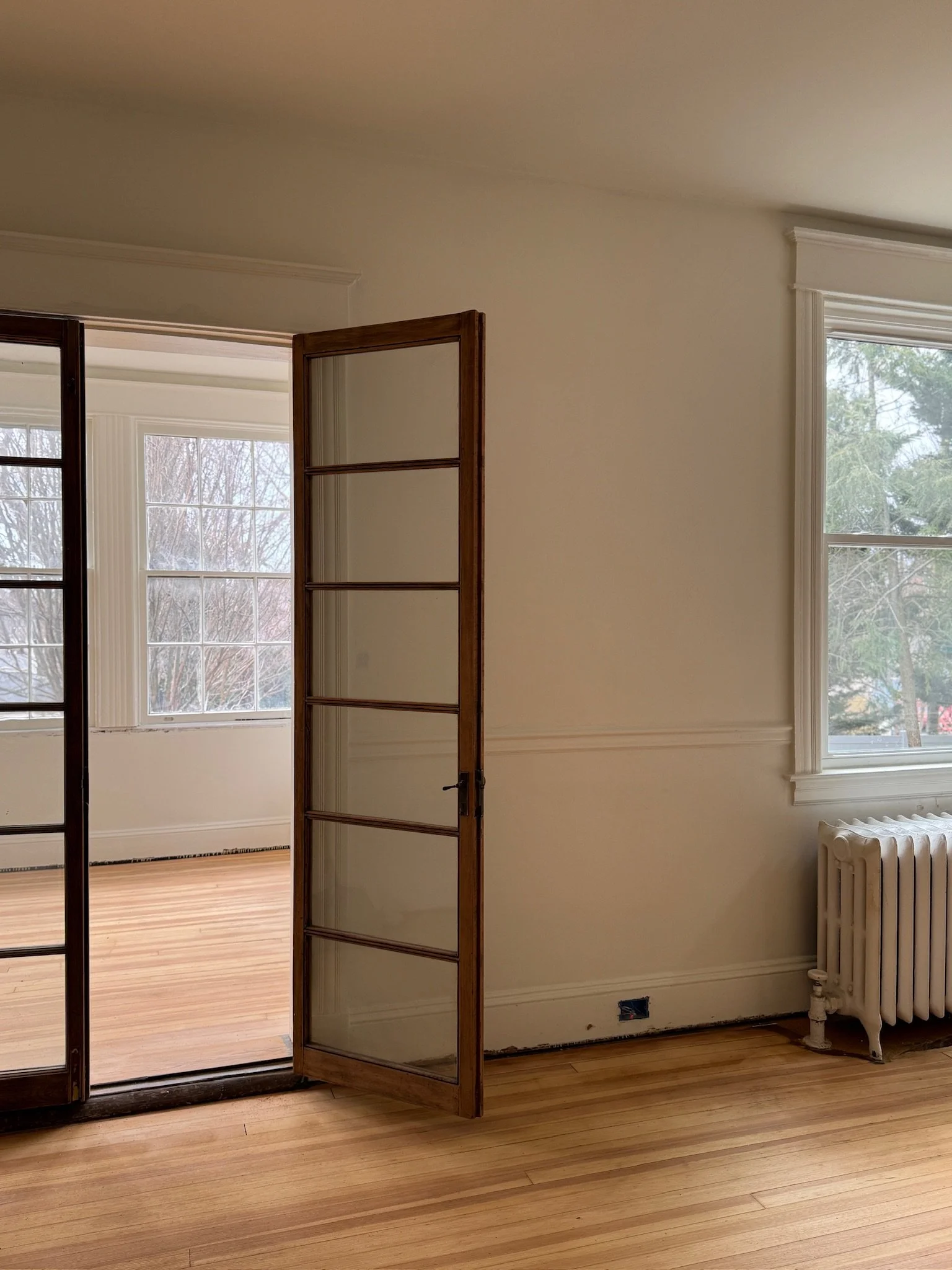
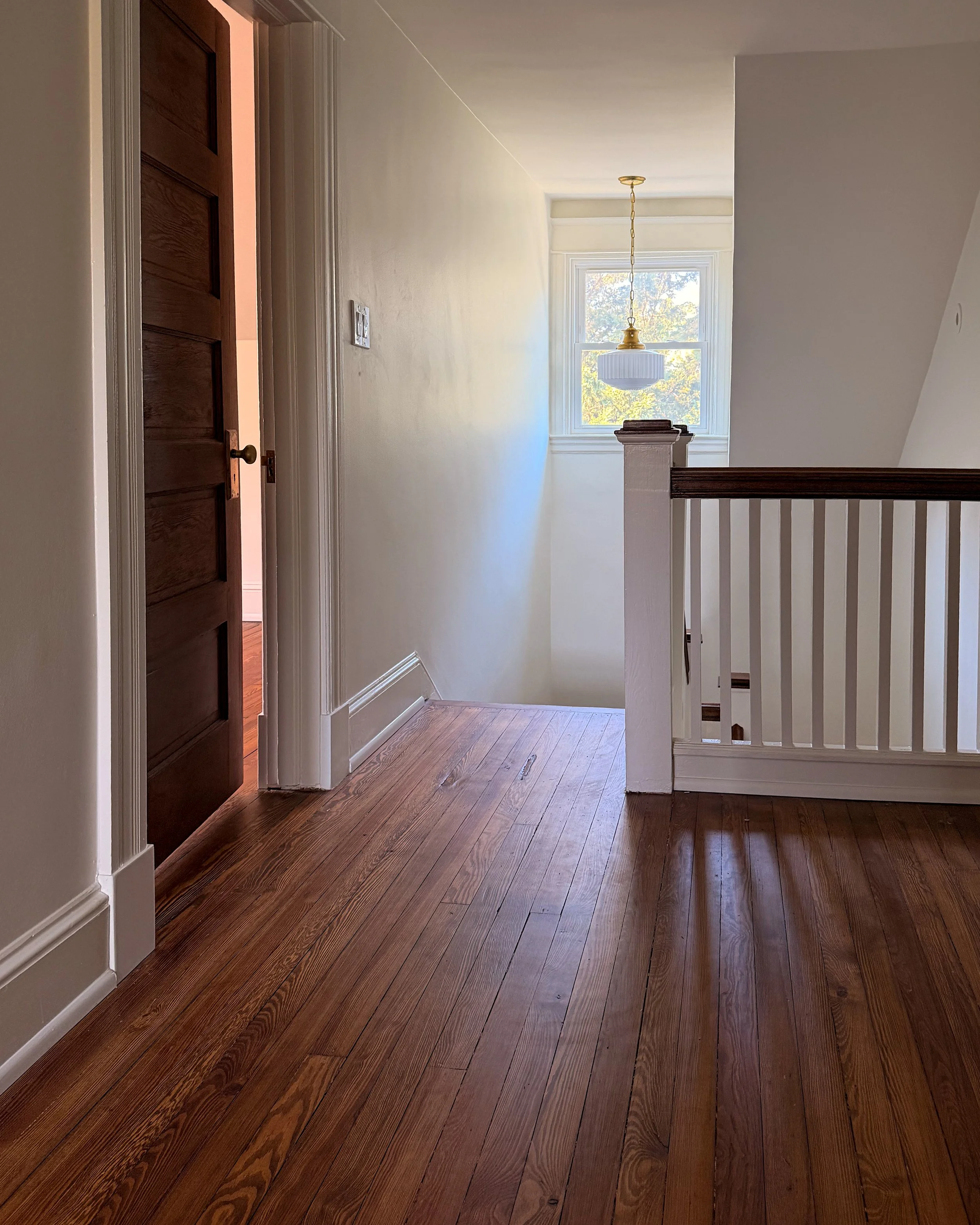
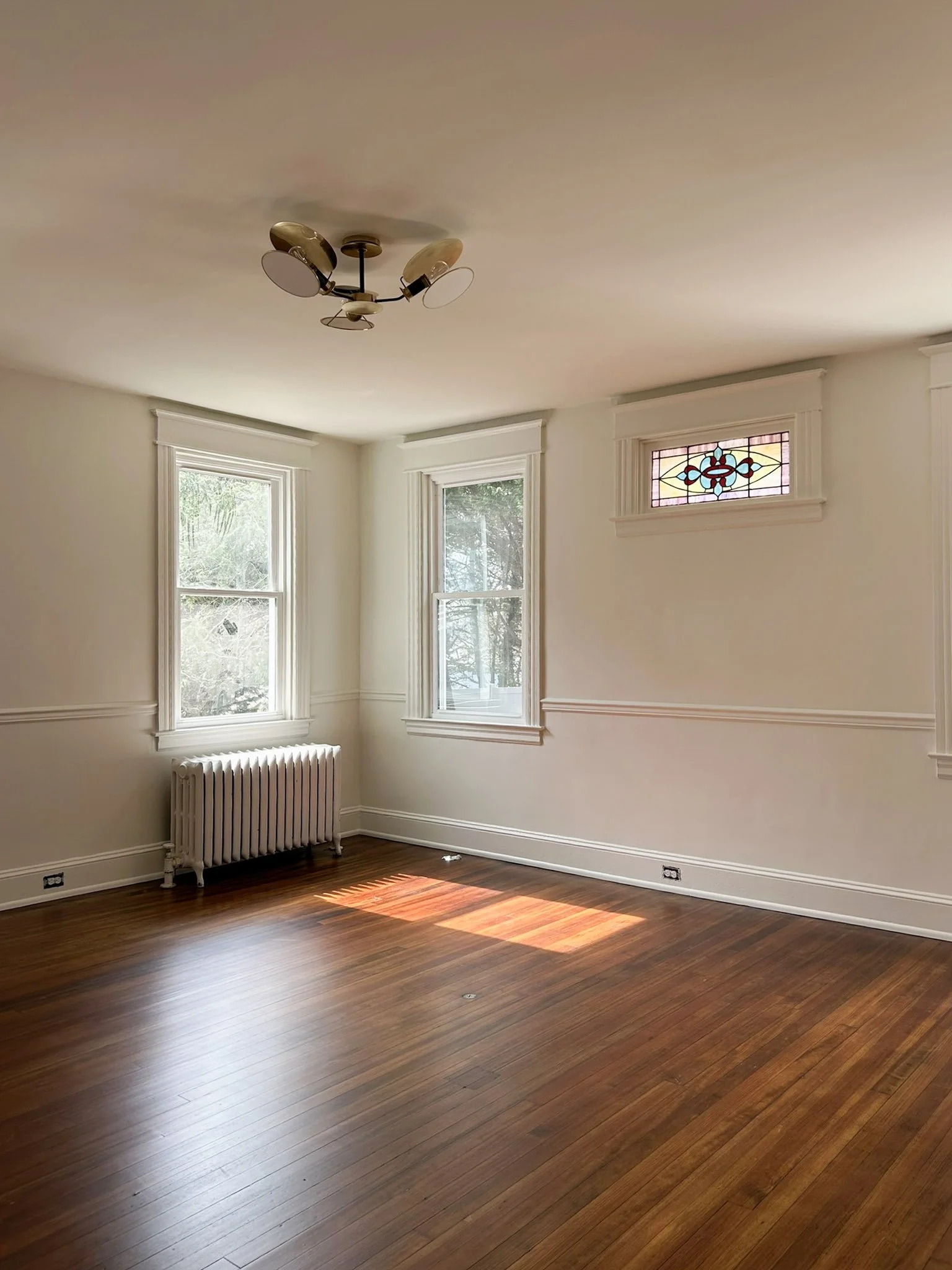
At some point during that process, your focus shifts. You stop asking whether everything matches perfectly and start asking a different question altogether. Does it feel right?
In a historic home, that question matters more than perfection.
The beauty of old houses is found in their variation. Floorboards wear differently. Materials age at different rates. Surfaces carry the marks of generations of use. Trying to erase those differences often means losing the very qualities that make a home special in the first place.
Our goal was never to create a perfect replica of what had been there before. Instead, we wanted the new work to feel as though it belonged to the larger story of the house. We wanted someone walking through the space to experience it as a whole, without being distracted by where one chapter ended and another began.
That philosophy guided far more than the flooring. It became a lens through which we approached the entire renovation.
Again and again, we found ourselves asking how we could work with what already existed rather than against it. Sometimes that meant preserving original details. Sometimes it meant adapting to unexpected constraints. And often, it meant allowing the house itself to guide the solution.